


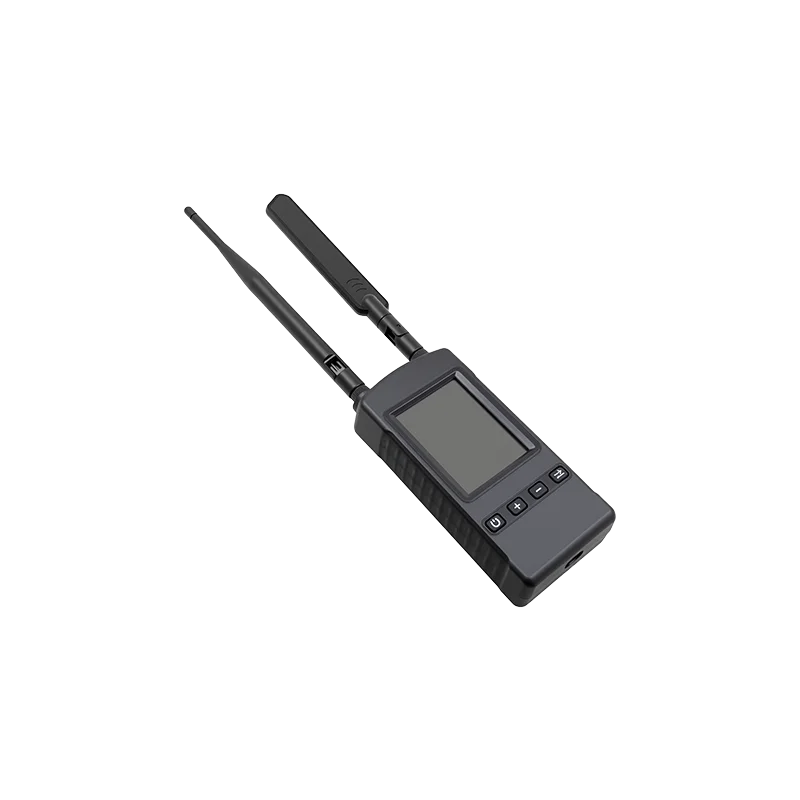
A drone detection device is what an airport, a prison, a critical infrastructure site, or a public-event security team uses to see an unauthorized drone before it sees them. After a decade of drone incidents that ranged from runway closures to prison contraband drops, drone detection devices have moved from a niche defense product to a mainstream piece of the perimeter security stack. This guide walks through what a drone detection device actually does, the detection methods that matter, and the design choices that separate a serious deployment from a sticker on a fence.
If you are a security architect, a critical-infrastructure program manager, or a public safety officer trying to harden a perimeter against the new generation of small commercial drones, the goal of this article is to give you a working framework for choosing, deploying, and validating a drone detection device in your real environment. We will not push a single technology stack, because no drone detection device fits every threat model. What we will do is walk through the criteria that actually matter when an alert has to be actionable.
What a Drone Detection Device Actually Does
A drone detection device is a sensor or a sensor stack that identifies the presence, the position, and ideally the type of an unauthorized drone within a defined perimeter. The device combines one or more sensing modalities: radio frequency (RF) detection, radar, acoustic sensing, optical and thermal imaging, and GNSS signal analysis. Each modality has its own strengths and its own blind spots, and a serious drone detection device typically fuses two or more of them to deliver a reliable alert.
In practice, the most common drone detection device architecture is a fixed or vehicle-mounted RF sensor that listens for the control and telemetry link between the drone and its operator. The RF sensor detects the unique signature of a drone at ranges of 1 to 10 km, classifies the drone type from the protocol fingerprint, and geolocates the operator through triangulation across multiple sensors. Optical and thermal cameras are added as confirmation layers and for tracking once a track is established.
Why Drone Detection Devices Are Now Mainstream
Three trends have turned the drone detection device from a defense product into a mainstream security tool.
Consumer drones are everywhere. A 500 dollar consumer drone now carries a 4K camera, a 30-minute flight time, and an autopilot that does not require a skilled operator. The barrier to entry for an unauthorized drone flight at a critical site has collapsed, and a drone detection device is the only practical way to keep up.
Incidents are forcing regulation. Airport runway closures, prison contraband drops, and stadium overflights have made drone detection a regulatory requirement in many jurisdictions. Operators of critical infrastructure are now expected to deploy a drone detection device as part of their security baseline.
Costs have dropped. A drone detection device that cost 200,000 dollars five years ago can be had for under 30,000 dollars today. The combination of cheaper radio chipsets, commodity thermal cameras, and open-source signal processing has pulled the price of a serious drone detection device down to a level that small and mid-sized sites can afford.
Key Specifications of a Drone Detection Device
A drone detection device lives or dies by a small set of specifications. Reading a generic drone detection brochure without a framework is a recipe for buying the wrong product.
1. Detection range. A drone detection device should specify a usable detection range against a small consumer drone (sub-2 kg) and a usable classification range. A serious system delivers 1 to 3 km of detection range against a small drone in good RF conditions, and 500 m to 1 km of classification range. Anything below that is not useful for a perimeter deployment.
2. Drone library coverage. A drone detection device is only as useful as its library of known drone signatures. A library that only covers the top-5 consumer drones will miss the long tail of new models and custom-built platforms. Look for a vendor that updates the library at least monthly and offers a way to add custom signatures.
3. False alarm rate. A drone detection device that fires on every Bluetooth headset and every Wi-Fi access point in the area is useless. The false alarm rate has to be low enough that the security team can actually respond to every alert. Look for a vendor that publishes a measured false alarm rate per day, not a theoretical number.
4. Multi-sensor fusion. A single-modality drone detection device is fragile. An RF-only system will miss autonomous drones that do not broadcast a control link. A radar-only system will struggle against small carbon-fiber drones. Look for a system that fuses RF, radar, and optical sensors under a single track manager.
5. Integration with mitigation. A drone detection device that cannot trigger a downstream mitigation system (jammer, spoofing, kinetic) is half a system. Look for a vendor that supports standard mitigation interfaces, or that bundles the detection and mitigation in a single integrated product.
How to Deploy a Drone Detection Device in the Field
A drone detection device deployment has three failure modes that show up in every field rollout. Plan for them up front and you will save weeks of troubleshooting.
Site survey first. Before mounting the drone detection device, walk the perimeter with a spectrum analyzer and a known drone. Identify the existing RF background, the line-of-sight obstructions, and the expected approach corridors. A drone detection device mounted in the wrong place will have blind spots that an attacker can exploit.
Coverage overlap. A single drone detection device has a finite field of view. For a 360-degree perimeter, you need at least three devices in a triangular arrangement, with overlapping coverage so a drone cannot fly between them undetected. The geometry of the overlap matters more than the raw number of devices.
Drone library updates. A drone detection device with a stale library will miss new consumer drones as they appear. Plan for a monthly library update cadence, and budget the time to validate the new signatures in a controlled test before deploying them on the perimeter.
Common Pitfalls in Drone Detection Device Integration
Across our drone detection device deployments, the same four mistakes show up more often than the others. Skim them before you commit to a BOM.
Underestimating autonomous drones. A drone detection device that listens for the control link will miss autonomous drones that fly a pre-planned mission without a live operator. Plan for a complementary detection modality (radar or optical) or accept the gap as a known limitation.
Forgetting the legal layer. Drone detection is regulated differently in every country. In some jurisdictions, even passive detection is restricted. Before deploying a drone detection device, confirm the legal basis for the deployment and the obligations around data retention and operator notification.
Mounting the sensors in a single place. A drone detection device mounted at a single point on the perimeter has a single point of failure. For a serious deployment, distribute the sensors around the perimeter with overlapping coverage, and design the network so the loss of one sensor does not create an exploitable gap.
Treating detection as the end of the problem. A drone detection device that triggers an alert is only useful if there is a downstream mitigation system and a response team. Plan the full chain from sensor to alert to mitigation to response, and rehearse it regularly.
Where We Fit: xyzgnss Drone Detection Device Portfolio
At xyzgnss we have built our drone detection device portfolio around the same principle that drives the rest of our GNSS product line: tight specifications, documented behavior, and reference designs that move from the bench to a deployed perimeter without a re-engineering step. Our drone detection device family includes portable units for rapid deployment, fixed-site units for permanent perimeters, and vehicle-mount units for mobile security teams.
You can browse the drone detection device family on the product page, and read the broader drone detection and alarm devices guide for a wider view of the architecture. For portable deployments, our handheld drone alarm H5X is the entry point, and our drone detection and alarm devices product page lists the fixed-site variants.
If you would like a sample drone detection device, a perimeter survey, or a deployment plan for your site, our technical team can walk you through the geometry, the library update cadence, and the integration with the downstream mitigation system. We have supported airport, prison, and critical-infrastructure customers across multiple regions, and we are happy to bring that field experience to your project.
Conclusion
A drone detection device is no longer optional for any site that has to defend against the new generation of small commercial drones. The choice of modality, the geometry of the deployment, and the integration with mitigation determine whether the system is a serious defensive layer or a sticker on a fence. If you are evaluating a drone detection device for a new perimeter, our engineering team can help you model the threat, compare the candidates, and validate the deployment in your real environment.
Need a drone detection device for a critical perimeter? Talk to our engineering team about a site survey, a reference deployment, and an evaluation kit. Contact xyzgnss to start a project →
Frequently Asked Questions
Q1: What Is a Drone Detection Device and How Does It Work?
A drone detection device is a sensor or a sensor stack that identifies the presence, the position, and ideally the type of an unauthorized drone within a defined perimeter. The most common architecture combines RF detection of the control link, radar tracking of the drone itself, and optical confirmation. A serious drone detection device fuses the outputs of these sensors under a single track manager to deliver a reliable alert.
Q2: What Detection Range Should I Expect From a Drone Detection Device?
A serious drone detection device delivers 1 to 3 km of detection range against a small consumer drone in good RF conditions, and 500 m to 1 km of classification range. The actual range depends on the drone size, the RF environment, and the terrain. For an airport or a large industrial site, a drone detection device at this range gives the security team a few minutes of warning, which is enough to trigger a response.
Q3: Can a Drone Detection Device Catch Autonomous Drones Without a Control Link?
An RF-only drone detection device will miss autonomous drones that fly a pre-planned mission without a live control link. To catch these, the drone detection device needs a complementary modality, typically radar or optical. A multi-sensor drone detection device that fuses RF, radar, and optical is the practical answer for serious perimeters where autonomous drones are a known threat.
Q4: How Many Drone Detection Devices Do I Need to Cover a Perimeter?
For a 360-degree perimeter, you need at least three drone detection devices in a triangular arrangement with overlapping coverage. The actual number depends on the perimeter size, the terrain, and the desired detection range. As a rule of thumb, place the drone detection devices so that the detection range of each device reaches at least 200 m past the position of its neighbors, and so that no two devices are on the same line of sight.
Q5: Is Deploying a Drone Detection Device Legal in My Country?
Drone detection is regulated differently in every country. In some jurisdictions, passive RF detection is allowed without a license. In others, even passive detection is restricted to specific critical-infrastructure operators. Before deploying a drone detection device, confirm the legal basis for the deployment with your local regulator, and document the obligations around data retention, operator notification, and escalation to law enforcement.