


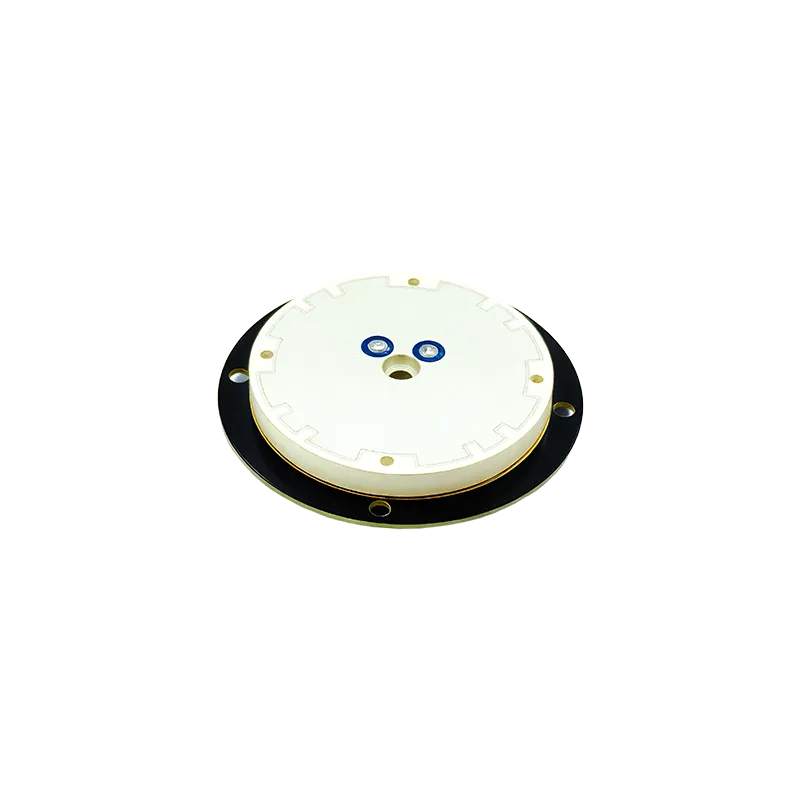
Understanding the evolution of satellite positioning components
The landscape of global navigation satellite system (GNSS) technology has shifted dramatically toward miniaturization and high efficiency. In the early days of satellite navigation, designers had to manage separate receiver chips and bulky external antennas, often requiring complex RF cables and impedance matching circuits. However, the emergence of the GPS module with integrated antenna has revolutionized how engineers approach positioning in embedded systems. This all-in-one solution combines the receiver IC, supporting circuitry, and a high-performance ceramic patch antenna into a single, surface-mount package. By consolidating these components, manufacturers have simplified the supply chain and reduced the technical barriers for developers who may not have extensive experience in high-frequency radio design.
In modern electronics, space is the most valuable commodity. Whether developing a wearable fitness tracker, a smart city sensor, or a small-scale UAV, every millimeter matters. A GPS module with integrated antenna allows for a significantly smaller PCB footprint compared to traditional multi-component designs. Furthermore, because the antenna is already matched to the receiver's front-end, the risk of signal loss or interference due to poor PCB layout is minimized. This reliability is why the industry is seeing a massive surge in the adoption of integrated modules across diverse sectors, ranging from automotive telematics to precision agriculture and personal safety devices.
Technical advantages of the integrated antenna architecture
One of the primary technical hurdles in GNSS design is ensuring the RF path between the antenna and the low-noise amplifier (LNA) is optimized. In a discrete setup, the trace on the PCB must be exactly 50 ohms to prevent reflections and signal degradation. By utilizing a GPS module with integrated antenna, this complexity is handled within the module itself. The internal ceramic patch antenna is precisely tuned and coupled with the LNA, ensuring maximum sensitivity and faster time-to-first-fix (TTFF) even in challenging environments like urban canyons or dense foliage. This pre-tuned nature ensures that the performance specified in the datasheet is actually achievable in the final product without requiring expensive RF testing equipment.
Another critical benefit is the reduction of electromagnetic interference (EMI). In many embedded systems, digital noise from high-speed processors or switching power supplies can bleed into the sensitive GPS frequency bands. Integrated modules often feature advanced shielding and optimized grounding planes that protect the sensitive RF components from internal noise. This is particularly important for devices that utilize multiple communication protocols, such as Wi-Fi or Bluetooth, which can easily interfere with satellite signals. Using a GPS module with integrated antenna simplifies the task of shielding, as the most critical RF paths are contained within a compact, shielded metal can, providing a robust defense against board-level noise and improving overall system reliability.
Embedded system applications for integrated GNSS solutions
The versatility of the GPS module with integrated antenna makes it the preferred choice for numerous high-growth industries. In the world of unmanned aerial vehicles (UAV), weight and balance are paramount. Using an integrated module like the YM-450Q reduces the overall component count, allowing for lighter airframes and more efficient power consumption. For commercial drones used in delivery or mapping, the stability provided by an integrated patch antenna ensures that the flight controller receives accurate positioning data without the risk of an external antenna cable coming loose due to vibration or high-speed maneuvers.
In the industrial internet of things (IIOT), fleet management and asset tracking rely heavily on consistent GPS data. Devices used for tracking shipping containers or heavy machinery often operate in harsh environments where external antennas could be easily damaged. An integrated module allows the entire tracking device to be sealed within a rugged, waterproof enclosure. Since the antenna is inside the housing, there are no external connectors to corrode or break. This internal placement significantly extends the lifespan of the equipment while maintaining high precision. Furthermore, the low power modes available in modern integrated modules make them ideal for battery-operated devices that need to remain in the field for months or years without maintenance.
Selecting the right module for your project requirements
When choosing a GPS module with integrated antenna, developers must consider several factors beyond just size. Frequency support is a major consideration; many modern applications now require multi-constellation support, including Beidou (BDS), GLONASS, and Galileo, to ensure global compatibility and redundancy. Modules that support concurrent reception of multiple systems provide higher accuracy and faster signal acquisition. Additionally, the physical orientation of the module on the PCB is crucial. Because the patch antenna is directional, it must be placed on the top side of the board with a clear view of the sky. Designers should also pay close attention to the ground plane requirements specified by the manufacturer, as the PCB itself often acts as an extension of the antenna's counterpoise.
Power consumption and interface options are equally important. For mobile devices, a module with ultra-low power consumption in standby mode is essential to preserve battery life. Most modules communicate via standard UART or I2C interfaces, making them easy to integrate with common microcontrollers like those based on ARM or ESP32 architectures. Some advanced modules also include built-in flash memory for storing orbital data (AGPS), which significantly reduces the time needed to calculate a position after power-up. By carefully evaluating these technical specifications, engineers can select a module that perfectly balances performance, cost, and power efficiency for their specific use case.
Why Yonghao is your ideal GNSS technology partner
Yonghao stands at the forefront of positioning technology, offering a comprehensive range of high-performance navigation solutions tailored for global markets. Our expertise in RF design and satellite positioning allows us to produce modules that exceed industry standards for sensitivity and reliability. We understand that every project has unique requirements, which is why we offer a diverse portfolio of products. For instance, our GPS module selection is designed to meet the rigorous demands of both industrial and consumer electronics. Our manufacturing facilities utilize state-of-the-art testing equipment to ensure that every unit delivered meets our strict quality control benchmarks.
Our product lineup includes specialized solutions such as the YM-250, which is specifically optimized for high-gain performance in compact form factors. We also provide professional-grade components for high-precision applications, including RTK modules and anti-jamming systems for critical infrastructure. By choosing Yonghao, you gain access to our dedicated technical support team, who can assist with PCB layout reviews and RF optimization to ensure your project’s success. We are committed to innovation, continuously updating our product range to support the latest satellite constellations and signal processing algorithms, ensuring our customers always have access to cutting-edge technology.
Summary of integrated positioning benefits
In conclusion, the GPS module with integrated antenna represents a significant leap forward in embedded system design. By eliminating the complexities of external RF routing, reducing board size, and improving signal integrity, these modules empower developers to create more compact, reliable, and cost-effective products. As the demand for location-aware devices continues to grow across the IoT, automotive, and drone sectors, the importance of choosing a high-quality integrated solution cannot be overstated. Yonghao remains dedicated to providing the industry with reliable, high-precision GNSS components that simplify the development process and enhance the final user experience.
Frequently asked questions
How does a GPS module with integrated antenna simplify circuit design?
An integrated module eliminates the need for 50-ohm trace routing and external impedance matching components. It handles the complex RF interface internally, allowing designers to treat the GPS functionality as a simple digital peripheral. At Yonghao, we pre-tune our modules to ensure optimal performance right out of the box, reducing the need for specialized RF engineering expertise during the hardware development phase.
What is the impact of housing on a GPS module with integrated antenna?
Plastic or glass enclosures generally do not block the satellite signals, but metal or carbon fiber housings will shield the antenna and prevent a fix. When using an integrated module, it must be positioned under a RF-transparent window. Yonghao provides detailed mechanical integration guides to help customers select the right materials and placement to maximize signal reception for our integrated antenna products.
Can a GPS module with integrated antenna support multi-constellation systems?
Yes, many of our modern modules are designed to receive signals from GPS, BDS, GLONASS, and Galileo simultaneously. This multi-constellation support significantly improves positioning accuracy and reliability, especially in urban areas where some satellites might be blocked by buildings. Our integrated antenna designs are wideband enough to cover the necessary frequencies for these different systems effectively.
Why is Yonghao a leader in GPS module with integrated antenna production?
Yonghao combines years of RF expertise with a deep understanding of the satellite navigation industry. We offer a robust supply chain, competitive pricing, and rigorous quality testing. Our products are used globally in critical applications, and we provide end-to-end technical support to ensure that our customers can integrate our GNSS technology into their products with minimal effort and maximum performance.
What are the installation requirements for a GPS module with integrated antenna?
For best results, the module should be placed on the edge of the PCB, away from metallic components and high-speed digital lines. The ceramic patch antenna must face upward toward the sky. Additionally, following the manufacturer's recommended ground plane size is essential, as it helps the antenna achieve its rated gain. Yonghao offers layout review services to help our clients optimize their PCB designs for our modules.
Ready to enhance your product with high-precision positioning?
Contact Yonghao Today