
Related Products
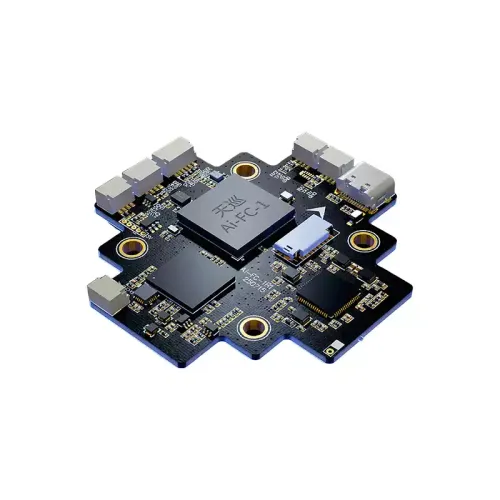
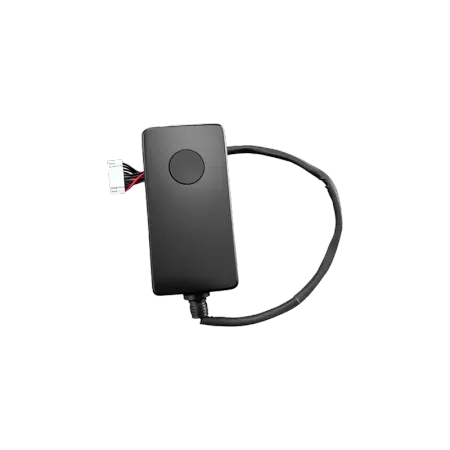
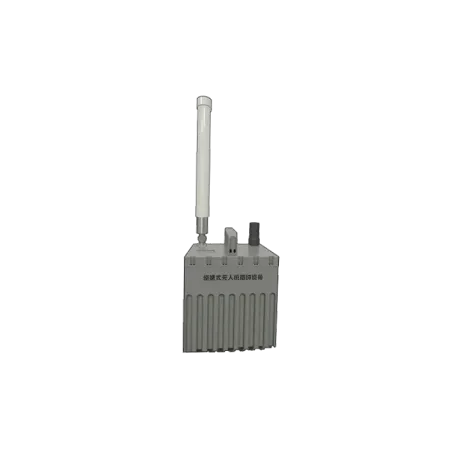
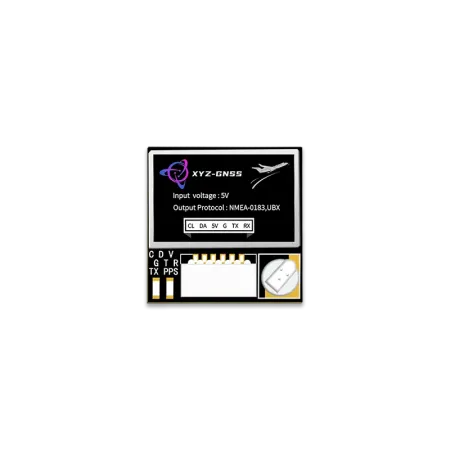
More items about drone devices

We Have The Best Solutions for Your Business
Precision Navigation Solutions for a Connected World
As a leading solution supplier integrating R&D, manufacturing, and sales, we offer a wide range of products including GNSS satellite antennas, positioning terminals, data communication products, and customized high-precision Beidou solutions. Our expertise spans measurement & monitoring, aerospace, communication time service, autonomous driving, mechanical control, intelligent transportation, driving tests, and training.
Frequently Asked Question
Do you have any question?
For a commercial UAV, the most important drone devices are those that ensure navigational integrity and safety. This places the GNSS receiver and antenna at the top of the list. While motors provide lift, the GNSS system tells the flight controller exactly where it is, enabling stable flight, autonomous missions, and a reliable return-to-home function.
High-quality drone devices, specifically a professional-grade GNSS antenna and module, dramatically improve flight performance by providing a more accurate and stable position lock. This results in less position drift while hovering, more precise tracking of flight paths, and faster signal acquisition, even in challenging environments like urban canyons or near other sources of radio interference.
While you can, it is highly discouraged. Hobby-grade drone devices are not built with the same level of resilience or precision. A professional GNSS component, for example, will have better multipath rejection and shielding against interference, which is critical for ensuring the safety and reliability required for commercial operations where mission failure has significant financial consequences.
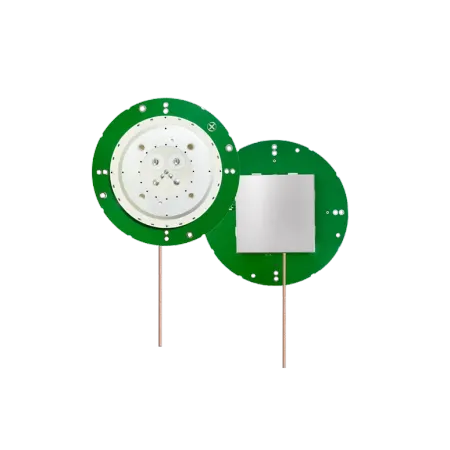
The antenna is one of the most critical of all drone devices because it is the direct link to the GNSS satellites. A poorly designed antenna can cripple the performance of even the most advanced receiver. A high-quality, SWaP (Size, Weight, and Power)-optimized UAV antenna ensures the receiver gets the cleanest possible signal, which is the foundation of all precise positioning.
When selecting drone devices for a custom UAV, start with the mission requirements. For a mapping drone, a high-precision GNSS module with RTK capability is essential. For a long-endurance inspection drone, SWaP-optimized components are key. Always prioritize the "brain"—the flight controller and the GNSS system—as these will define the drone's capabilities and reliability.
Integrated drone devices can be a good starting point, but for high-performance applications, separate, specialized components are superior. A dedicated, external GNSS antenna and compass module, for instance, can be placed away from sources of electronic noise (like motors and power systems), resulting in a much cleaner signal and significantly more reliable navigation.