
Headline: How do you design a PCB for an internal patch antenna?
Designing a PCB for an internal antenna, specifically a ceramic patch, requires strict adherence to RF layout principles. The most critical element is the ground plane. You must have an unbroken copper ground plane directly under the antenna and extending for a significant distance around it—ideally, a quarter-wavelength or more. The size of this ground plane fundamentally affects the antenna's performance. Secondly, you must establish a "keep-out zone" around the antenna, free of any other components, traces, or copper pours on all layers. XYZ-GNSS provides detailed datasheets and application notes with precise ground plane and keep-out recommendations for each internal antenna we sell, giving your layout engineer a clear blueprint for success.
Headline: Internal vs. external GNSS antenna for an IoT device?
Choosing between an internal antenna and an external one for your IoT device is a trade-off between performance and design constraints. An internal antenna is the clear winner for applications that must be small, low-cost, and sealed from the elements (like a smart sensor or wearable). It creates a sleek product with no external parts. However, its performance is highly dependent on a good PCB design and it cannot be used in a metal case. An external antenna, provided by experts like XYZ-GNSS, will almost always offer superior performance, especially in noisy RF environments, and is the only option for metal enclosures. The choice depends on your product's top priority: if it's compactness and cost, choose internal. If it's absolute best-in-class performance, choose external.
Related Products
More items about internal antenna
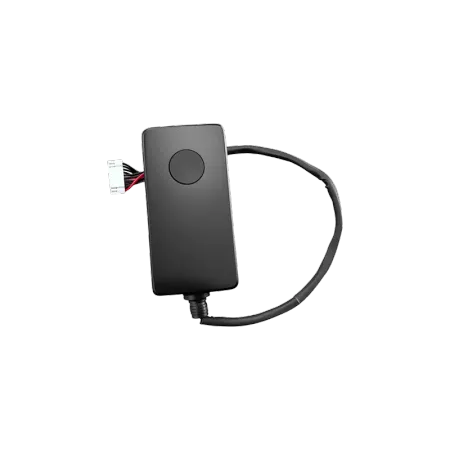
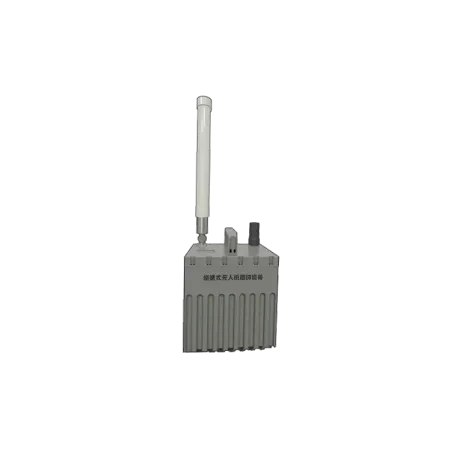

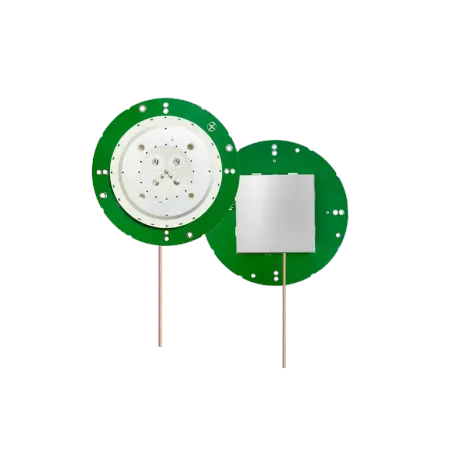

We Have The Best Solutions for Your Business
Precision Navigation Solutions for a Connected World
As a leading solution supplier integrating R&D, manufacturing, and sales, we offer a wide range of products including GNSS satellite antennas, positioning terminals, data communication products, and customized high-precision Beidou solutions. Our expertise spans measurement & monitoring, aerospace, communication time service, autonomous driving, mechanical control, intelligent transportation, driving tests, and training.
Frequently Asked Question
Do you have any question?
The two most common types of GNSS internal antenna are the ceramic patch antenna and the chip antenna. A ceramic patch is a small square of ceramic material with a metallic coating, known for its good performance and directionality. A chip antenna is an even smaller, surface-mount component, ideal for the most space-constrained designs, though often with a trade-off in performance.
The biggest challenges are managing RF interference and proper ground plane design. An internal antenna is in close proximity to noisy components like processors and cellular modems, which can "deafen" it. It also relies heavily on the PCB's ground plane to function correctly; an improperly designed ground plane will cripple its performance.
A ground plane is a large area of copper on the PCB that is connected to the circuit's ground. For an internal antenna like a patch, the ground plane acts as the other half of the antenna system. Its size and the antenna's position on it are critical. An undersized or poorly placed ground plane will result in a detuned antenna with very poor signal reception.
You should choose an internal antenna when product aesthetics, size, cost, and protection from vandalism or the environment are the top priorities. It's ideal for consumer electronics, wearables, and asset trackers that need to be small and self-contained. An external antenna is better when absolute top-tier performance is required, or when the device is enclosed in a metal case.